
Welcome to the thrilling universe of Computer processors, where silicon dreams come to life and every tick of the clock counts! Imagine a bustling kitchen filled with skilled chefs, each working tirelessly to whip up the perfect dish—that’s your processor, the culinary mastermind of computer operations, orchestrating tasks from video games to spreadsheets!
From the early days of clunky machines to today’s sleek powerhouse CPUs, processors have evolved remarkably. Their fundamental role isn’t just to crunch numbers but to serve as the heartbeat of your computer, handling everything with grace and speed. Clock speed and core count are like the caffeine boost that keeps your processor energized and ready to tackle multiple tasks simultaneously, ensuring you’re never left waiting on a loading screen!
Computer Processors Overview
Computer processors, often referred to as the “brains” of a computer, play a fundamental role in system architecture. They are the primary components responsible for executing instructions and performing calculations, making them essential for running software applications and managing hardware resources. The journey of processor technology has been nothing short of astonishing, evolving from simple mechanical systems to the complex multi-core chips powering our devices today.
The evolution of processor technology is a tale of relentless innovation and competition. In the early days, processors were as simple as a few transistors strung together, resembling a toddler’s Lego tower, albeit a very expensive one. Fast forward to today, and we have processors that can contain billions of transistors, often packed tighter than sardines in a can. This exponential growth has been fueled by the relentless pursuit of Moore’s Law, which predicts that the number of transistors on a chip doubles approximately every two years.
Significance of Clock Speed and Core Count
The performance of a processor is significantly influenced by its clock speed and core count. Clock speed, measured in gigahertz (GHz), determines how many cycles per second the processor can execute. Imagine your processor as a very fast chef in a kitchen; the higher the clock speed, the more dishes (instructions) it can whip up in a minute! Generally, higher clock speeds translate to better performance, but it’s not the only factor at play.
Core count adds another layer of complexity. A multi-core processor can be thought of as a team of chefs working together, each tackling different tasks simultaneously. This parallel processing capability allows for improved performance in multi-threaded applications, where multiple tasks are executed at once. The combination of high clock speeds and a robust core count can lead to a processing powerhouse that can handle everything from gaming to complex scientific computations with ease.To illustrate the significance of these factors, consider the following points:
-
Higher clock speeds enable faster execution of single-threaded tasks, making them ideal for applications that rely on quick response times.
-
More cores allow for efficient multitasking, enhancing performance in scenarios such as video editing, rendering, and gaming.
-
The synergy between clock speed and core count is crucial; a processor with high clock speeds and multiple cores provides a balanced performance across different workloads.
Ultimately, the architectural design of processors, influenced by clock speed and core count, shapes the computing experience—turning the mundane task of writing a grocery list into a high-speed digital ballet. With each generation, processors become more capable, enabling more complex applications and transforming our expectations of what computers can do.
Types of Computer Processors
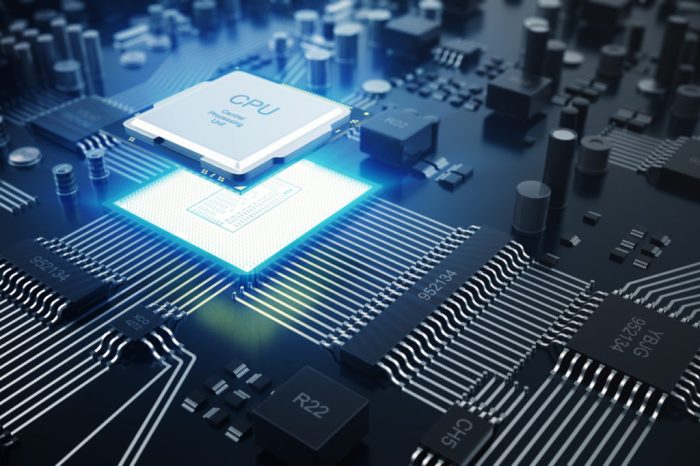
In the world of computing, processors are like the brain of a computer, orchestrating a symphony of tasks with their intricate circuitry and mind-boggling speed. However, not all processors are created equal; they come in various forms and serve different purposes. Understanding the types of processors can help you choose the right one for your needs, whether you’re gaming, working, or binge-watching cat videos online.Computer processors primarily fall into three categories: CPUs, GPUs, and APUs.
Each type has its unique capabilities, and knowing their strengths can help you maximize your computing experience. Here’s a breakdown of these processor varieties:
Central Processing Units (CPUs)
CPUs are the reigning champions of general-purpose processing, handling everything from word processing to web browsing with ease. Modern CPUs are multi-core, which means they can juggle multiple tasks simultaneously—like a circus performer on a unicycle balancing flaming torches while texting.
- Functionality: CPUs execute most of the tasks within a computer. They’re great at performing complex calculations and running applications.
- Speed: Measured in gigahertz (GHz), higher clock speeds often mean faster processing times.
- Cores: More cores allow for better multitasking. Think of cores as extra hands helping you get things done faster.
Graphics Processing Units (GPUs)
GPUs are the artists in the processor family, designed specifically for rendering graphics and images. They handle tasks that require parallel processing, making them essential for gaming, video editing, and graphic design.
- Parallel Processing: Unlike CPUs, GPUs consist of thousands of smaller cores designed for simultaneous processing, perfect for handling multiple pixels at once.
- Performance: A powerful GPU can significantly enhance gaming experiences, allowing for high frame rates and stunning visuals.
- AI and Machine Learning: GPUs have recently found a niche in AI, accelerating complex computations for neural networks.
Accelerated Processing Units (APUs)
APUs are the hybrid cars of processors, combining the capabilities of CPUs and GPUs into a single chip. They offer the convenience of integrated graphics without requiring a separate GPU, making them ideal for budget-conscious users or those with space constraints.
- Integration: APUs feature both CPU and GPU capabilities, reducing the need for additional hardware.
- Efficiency: Ideal for light gaming and everyday tasks, they strike a balance between performance and power consumption.
- Cost-Effective: They’re a great choice for systems where budget is a consideration, providing decent performance without breaking the bank.
Desktop vs. Mobile Processors
Desktop processors are typically designed for high performance and power, while mobile processors prioritize energy efficiency and portability. Here’s how they stack up against each other:
- Power Consumption: Desktop processors usually consume more power, often resulting in better performance, whereas mobile processors are optimized for battery life.
- Performance: Desktops can handle more heat and are usually clocked higher, leading to faster processing capabilities compared to their mobile counterparts.
- Thermal Design Power (TDP): Mobile processors have a lower TDP, ensuring they can operate efficiently without overheating in compact devices.
Specialized Processors for Gaming and Servers
For enthusiasts and professionals, specialized processors are the cherry on top of the computing sundae. Gaming processors are engineered for maximum performance under stress, while server processors cater to reliability and efficiency in data handling.
- Gaming Processors: These CPUs are optimized for high clock speeds and multi-threading, making them suitable for modern gaming demands. Brands like Intel’s Core i9 and AMD’s Ryzen series dominate this space.
- Server Processors: Built for multitasking and 24/7 operation, server processors such as Intel Xeon and AMD EPYC ensure data integrity and high throughput.
- Overclocking: Many gaming CPUs allow users to push their limits, enhancing performance for those who dare to dance on the edge of stability.
Computer Technology and Its Related Fields
In the ever-evolving landscape of technology, computers play a central role, akin to a Swiss Army knife in the digital world. From certifications that can make you the next tech wizard to the ever-pressing need for data recovery systems, the field is vast and filled with opportunities. Let’s dive into the nitty-gritty of various components that make up this fascinating universe of computer technology.
Computers and Technology Certification Tests
Certification tests in the realm of computers and technology serve as the golden ticket to career advancement and expertise recognition. These tests validate knowledge and skills in various fields such as networking, cybersecurity, and software development. It’s like having a shiny badge on your chest, confirming that you know your bits and bytes better than a toddler knows their ABCs.
Popular certifications include CompTIA A+, Cisco’s CCNA, and Microsoft’s MCSE, each paving a pathway to better job prospects and higher salaries. While they won’t make you a tech superhero, they might just help you save the day at work.
Significance of Computer Forensics
Computer forensics has become an indispensable tool in modern investigations, functioning as the digital Sherlock Holmes of our time. With the rise of cybercrime, understanding the intricacies of digital data retrieval and analysis is crucial for law enforcement and corporations alike. By meticulously examining devices for evidence, forensic experts uncover everything from email trails to deleted files, playing a pivotal role in solving crimes.
In many cases, it’s not just about catching the bad guys; it’s about protecting our digital lives from breaches that could leave us more vulnerable than a toddler without a candy bar.
Importance of Data Recovery Systems
Data recovery systems are the unsung heroes of the tech world, swooping in to save the day when disaster strikes. Imagine losing your prized collection of cat memes or critical work documents due to an unexpected hard drive crash. Panic sets in, but fear not! With a reliable data recovery system, the chances of retrieving lost data increase significantly. These systems work by restoring files from damaged or corrupted storage media, ensuring that your data lives to see another day.
In a world where data is the new oil, having a robust recovery system is akin to owning a multi-billion dollar oil rig—just without the need for a hard hat.
Role of Mobile Computing
Mobile computing has reshaped our tech landscape, making it possible to carry an entire world of information in our pockets. The advent of smartphones and tablets has revolutionized how we interact with technology, allowing us to work, socialize, and even binge-watch cat videos on the go. The convenience of mobile devices has led to a surge in mobile applications and services, changing the way businesses operate.
From mobile banking to telehealth services, the impact is profound, turning each of us into a walking, talking digital society.
Personal Tech Advancements
Personal tech advancements have woven themselves into the fabric of our daily lives, making tasks easier and more efficient. Smart home devices, wearable technology, and virtual assistants like Alexa and Siri have transformed how we manage our homes, fitness, and even our social lives. Imagine asking a voice-activated device to dim the lights while you relax on the couch—talk about living in the future! These innovations not only enhance convenience but also significantly contribute to our productivity, making us feel like we’re living in an episode of a futuristic sci-fi series.
Guide on Computers and Programming Languages for Processor Management
When it comes to managing computer processors, a solid understanding of programming languages is essential. Proficiency in languages such as C, C++, and assembly enables developers to fine-tune performance and optimize system operations. Here’s a quick guide to the programming languages that every aspiring processor guru should know:
- C: The granddaddy of programming languages, C provides low-level access to memory, making it ideal for system-level programming.
- C++: Building on C, it introduces object-oriented features that make it easier to manage complex systems.
- Assembly Language: The closest you can get to speaking ‘processor,’ it allows programmers to write instructions that the CPU can execute directly.
- Python: While higher level, it’s great for quick prototyping and scripting tasks related to processor management.
Interplay Between Computer Software and Hardware
The relationship between computer software and hardware is a dance of mutual dependency, where each step taken influences the other. Software needs hardware to run, and hardware requires software to function. This interplay is crucial for maximizing performance. For example, the latest games demand powerful GPUs and swift CPUs, while software updates can unlock new features and enhance compatibility. When they’re in sync, it’s as if they’re performing a perfectly choreographed routine, leaving users in awe of what technology can achieve.
Types of Spyware and Viruses
Spyware and viruses are the unwanted houseguests of the tech world, sneaking into your system and making themselves too comfortable for comfort. Understanding the different types is vital in protecting your system performance:
- Spyware: This sneaky software collects information about you without your consent, like a digital eavesdropper.
- Adware: Not quite as malicious as spyware, it bombards you with unwanted advertisements, turning your browsing experience into a commercial break.
- Trojan Horses: Disguised as legitimate software, Trojans can wreak havoc once installed, often granting hackers access to your system.
- Worms: These self-replicating programs spread across networks and can significantly degrade performance.
The best defense against spyware and viruses is a good offense: keep your software updated and your antivirus programs running!
Ultimate Conclusion
So there you have it! Computer processors are not just silicon chips; they’re the unsung heroes of the digital age, tirelessly working behind the scenes. Their evolution is as fascinating as a sci-fi novel, with each advancement promising more speed, power, and efficiency. Next time you fire up your computer, give a little nod to the processor—it’s doing all the heavy lifting while you sit back and enjoy the show!
General Inquiries
What is a computer processor?
A computer processor, or CPU, is the brain of your computer, executing instructions and performing calculations to run programs.
What are the main types of processors?
The main types include CPUs (central processing units), GPUs (graphics processing units), and APUs (accelerated processing units), each designed for specific tasks.
How does clock speed affect performance?
Higher clock speeds generally mean faster processing, allowing the CPU to execute more instructions per second, but it’s not the only factor that determines performance.
What’s the difference between desktop and mobile processors?
Desktop processors focus on high performance and power, while mobile processors prioritize energy efficiency and compact size to extend battery life.
Can a processor be upgraded?
Yes, many processors can be upgraded, but compatibility with your motherboard and cooling system needs to be checked first!


